
Biodynamic Wines from a Reclaimed Gravel Pit
Gypsum Soils and Ancestral Vineyards in Serra Llarga
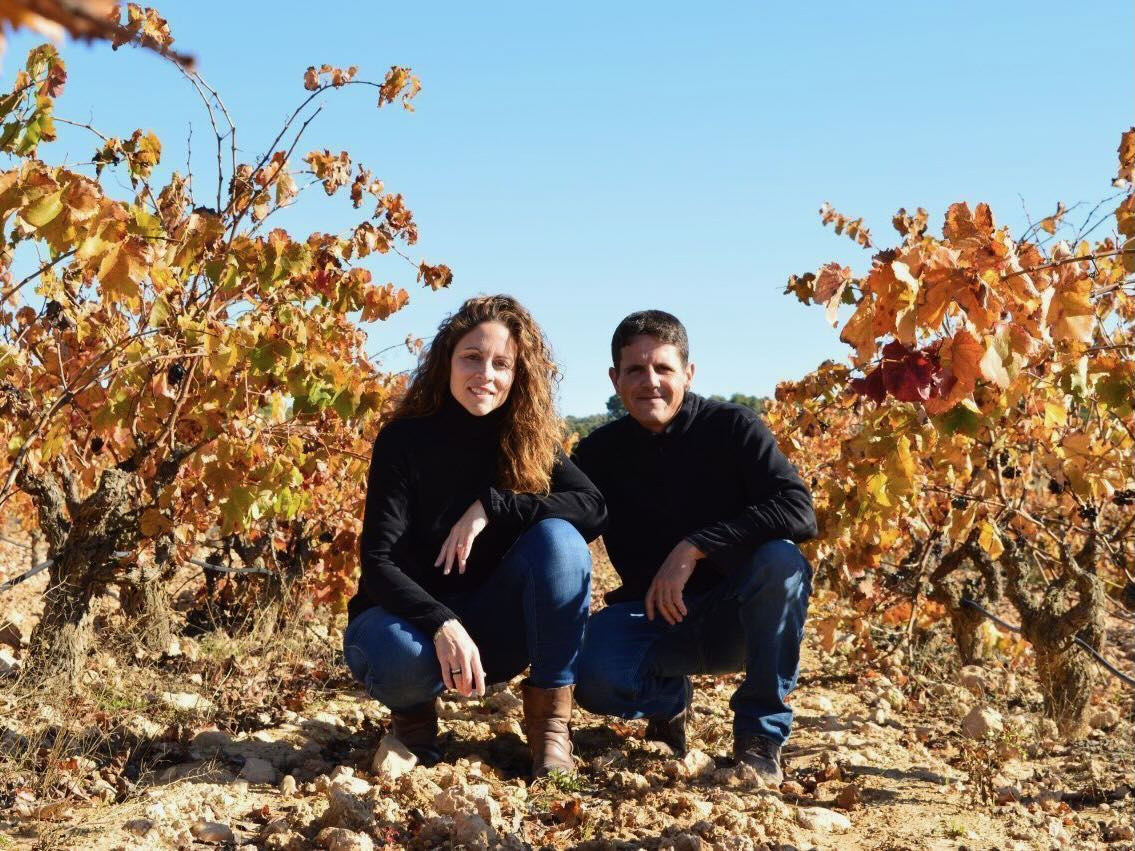
An old gravel pit in Lleida has been transformed into a Demeter-certified biodynamic viticulture project. The Arnó family is recovering unknown ancestral varieties and crafting single-plot wines on exceptional gypsum soils within Europe’s longest gypsum mountain range.
From Industrial Gravel Pit to Certified Biodynamic Terroir
Barcelona/Newsroom, January 22, 2026.
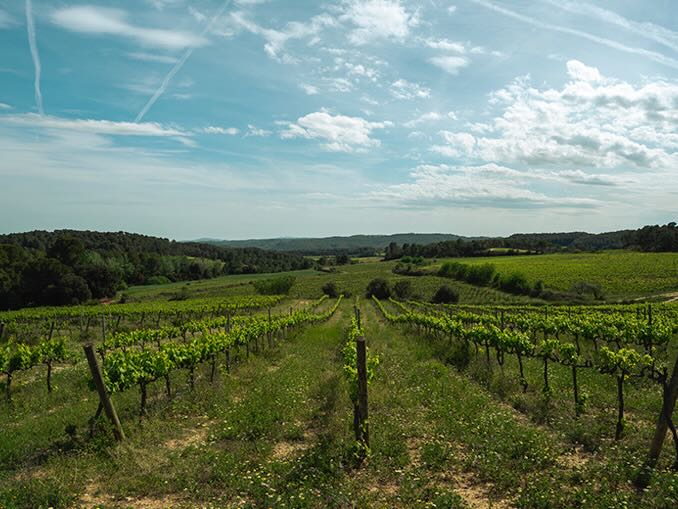
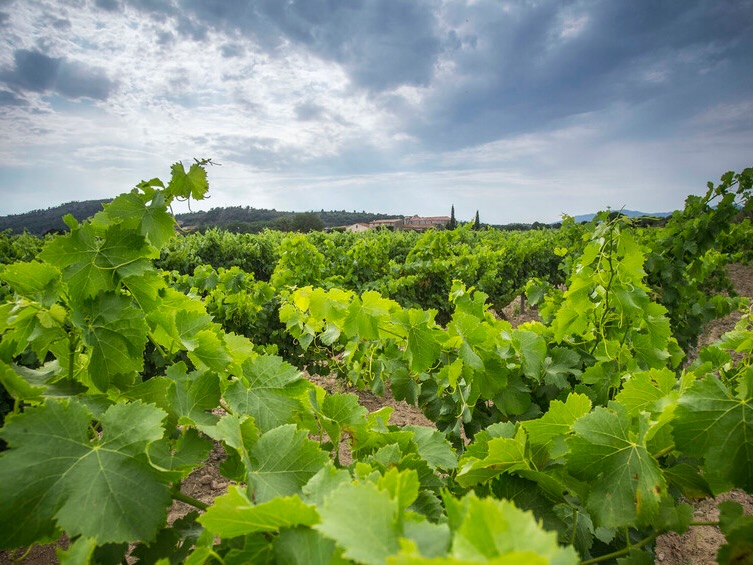
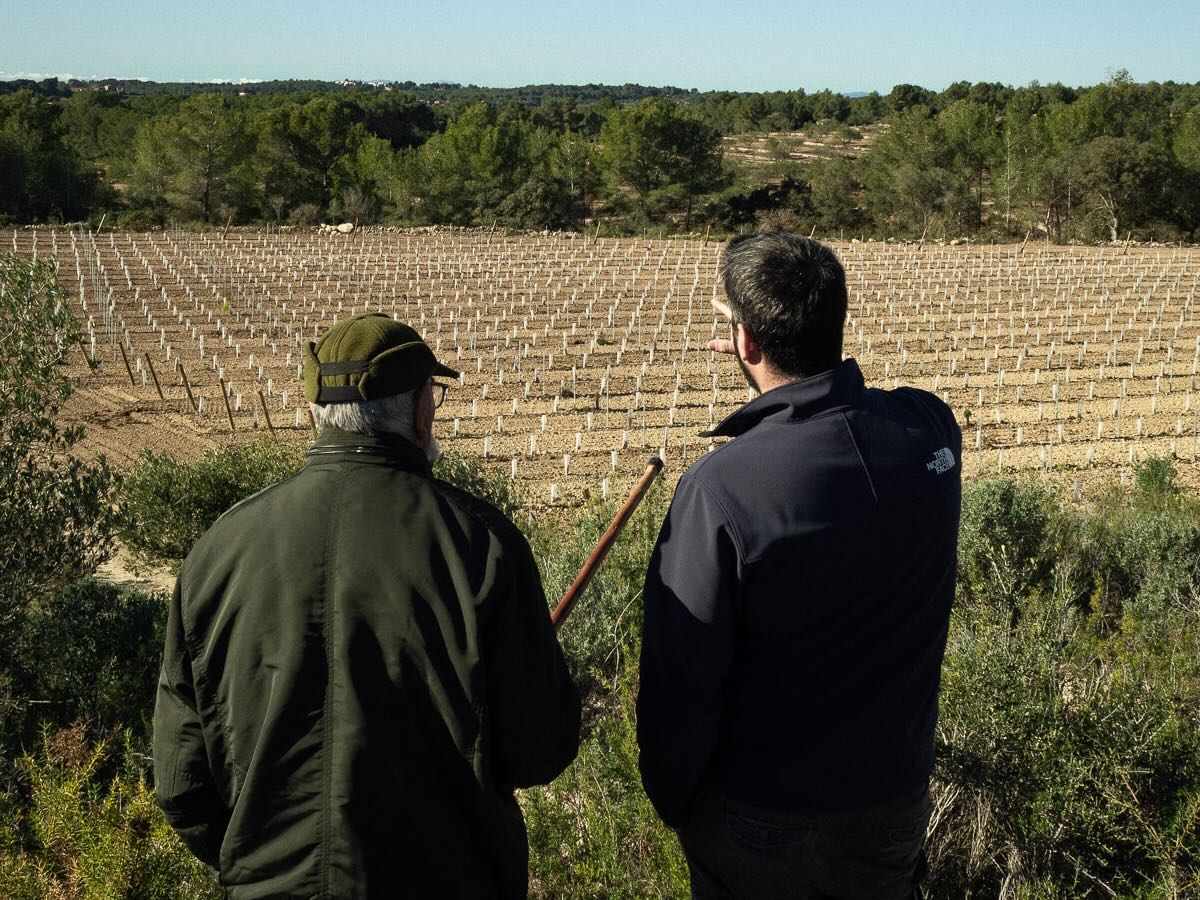
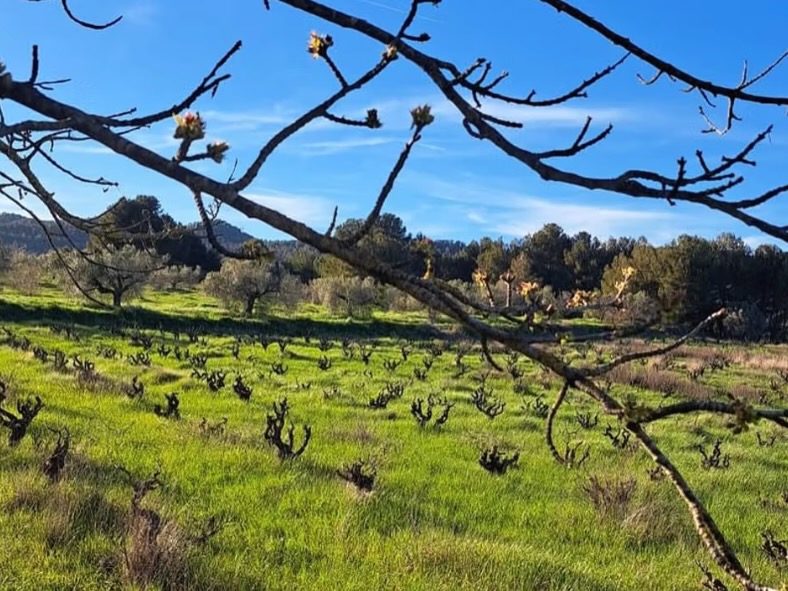
Lagravera was born in 2006 when the Arnó family, owners of a construction company, decided to restore a barren stretch of land in Serra Llarga where gravel had previously been extracted. They planted 12.62 hectares divided into 15 plots on soils rich in gypsum and clay, located on the axis between the Pyrenees and the Ebro Valley. The area boasts the longest gypsum mountain range in Europe, featuring a continental climate of extreme contrasts that lends color, flavor, and texture to the wines.
This gypsum expresses itself through freshness and salinity—characteristics that define the wines’ gastronomic profile. The winery operates under Demeter certification, following biodynamic principles and sensitive oenology: minimal intervention, observation of natural cycles, and a reduction in sulfites thanks to the grapes’ natural climatic protection.
Centenary Vineyards with Varieties Unknown to the World
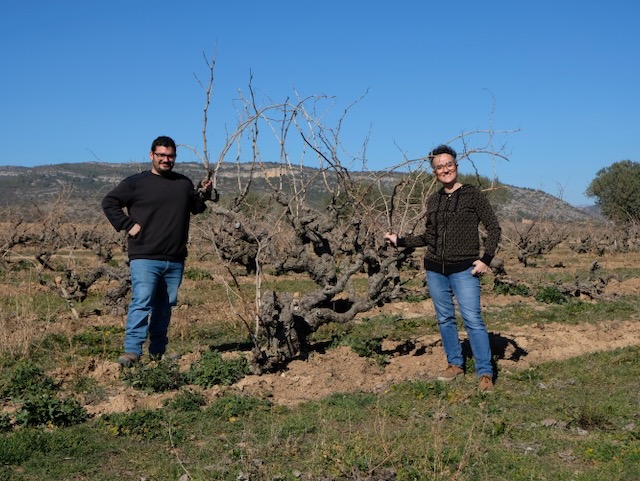
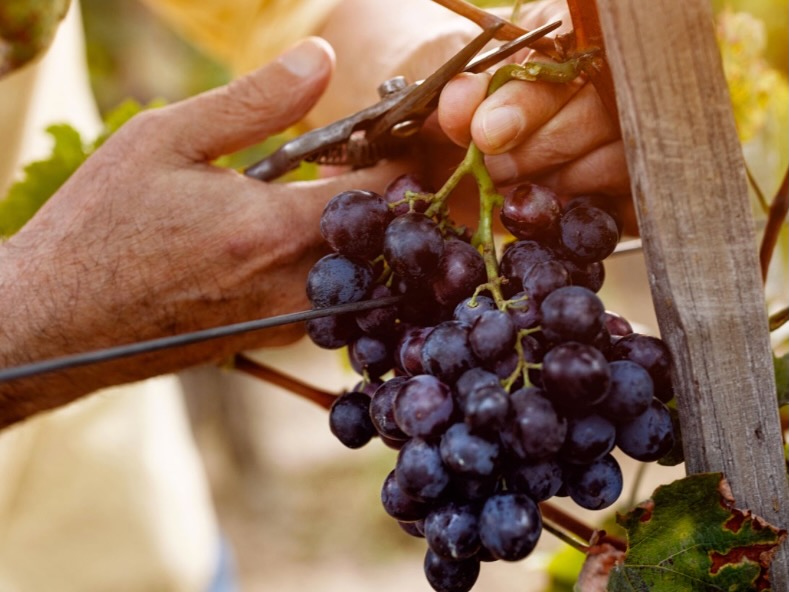
El Vinyet, a 1.41-hectare estate planted in 1889 by the Orpella family, hides 24 ancestral varieties such as Pirineus and Heben. INCAVI (the Catalan Institute of Vine and Wine) has analyzed three unknown varieties—X8, X Avi 1997, and X Avi 2167—which have no official global record. These vineyards, cultivated on clay soils near the Farfanya River, produce the La Pell wines, which recover the flavors of the ancestors.
Mas la Parra, sitting at an altitude of 700 meters with views of La Conca de Barberà and Priorat, produces fresher wines with more concentrated color. Les Pedrisses d’Ibars, protected by the Majos family, contains nine identified varieties, mostly indigenous and nearly extinct. Each estate generates “Grand Cru” single-plot wines that express the diverse terroirs of Serra Llarga.
Scientists Turned Farmers by Personal Conviction
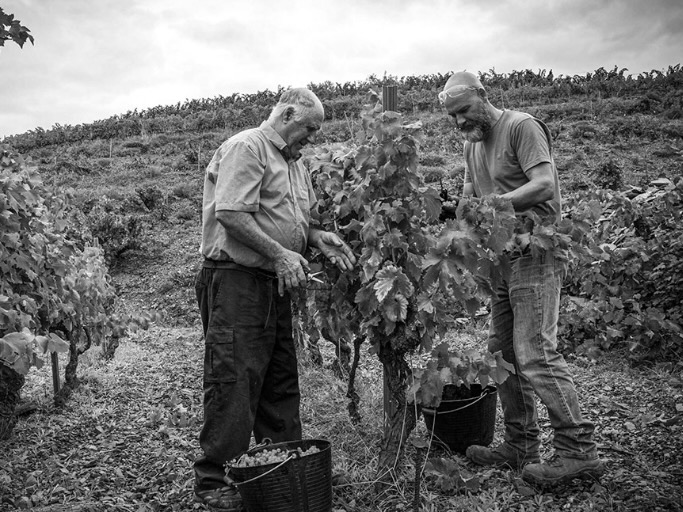
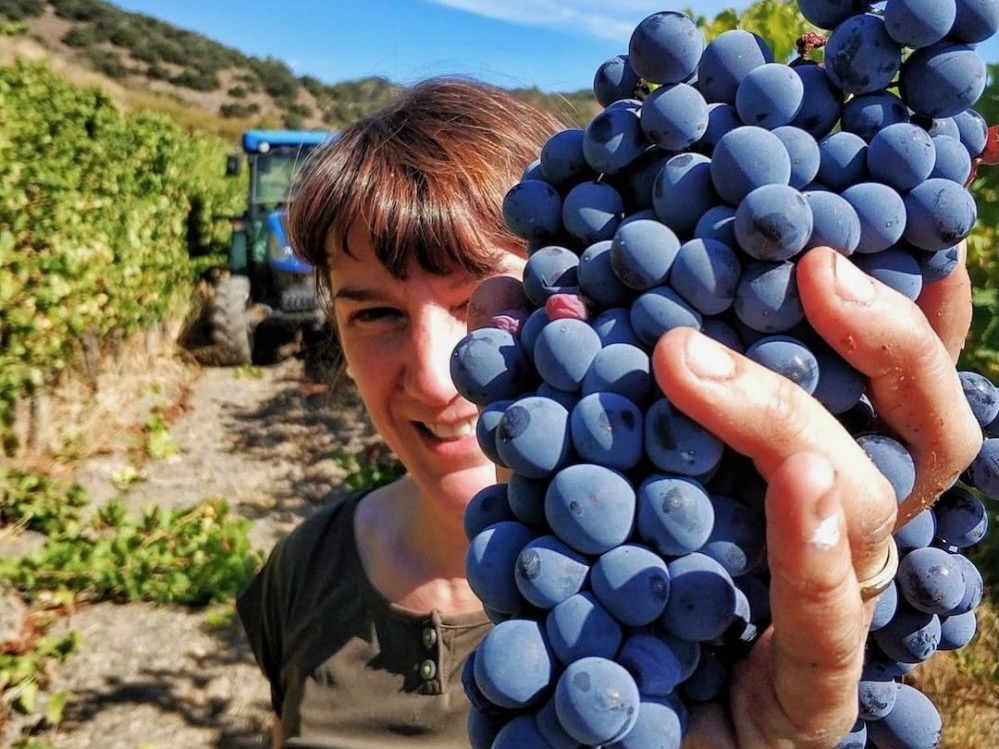
The founders of Lagravera are scientists by training who practice agriculture by vocation. They combine traditional techniques with technical advances to guarantee quality without sacrificing natural processes.
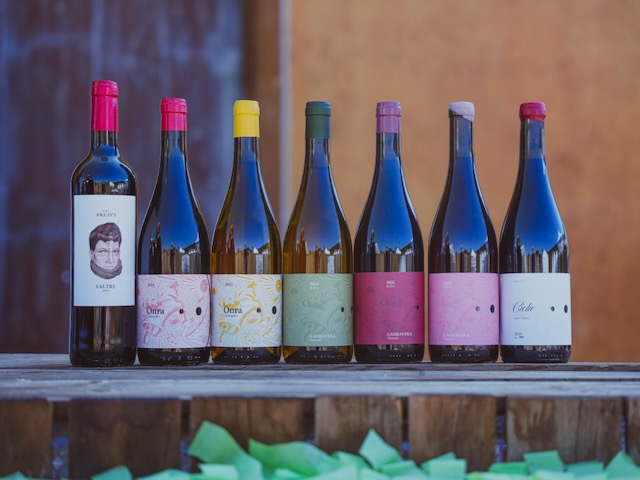
They are reviving a winemaking tradition that vanished with the construction of the Aragon canal, the arrival of phylloxera, and the rural exodus, during which 90% of the region’s vineyards were lost. Historic place names such as El Pla de les Vinyes, El Vinyet, or Botella bear witness to this viticultural past. Lagravera produces “landscape wines” (Ónra Blanc, Ónra Negre) that blend multiple plots, as well as single-plot monovarietals (Lagravera Natural, Cíclic, Solera) that concentrate the character of a single piece of land. Each bottle serves as a document of a unique terroir where geological time and human labor converge.
To learn more >>
>> Web: Lagravera
>> Instagram: @Lagravera
“Grand Cru Wines of Serra Llarga: When 24 ancestral varieties tell the story of a landscape”
Catalonia’s Rising Vintners